As seasonal transitions become increasingly extreme, homeowners are facing heavier rains, stronger winds, and unpredictable temperature fluctuations that rigorously test a property’s endurance. The days of simply raking leaves and putting away the patio furniture are long gone; modern weatherproofing requires a comprehensive, strategic approach. Waiting for a severe storm to expose a hidden vulnerability inevitably leads to catastrophic water damage, expensive emergency repairs, and immense psychological stress for the homeowner. When a blizzard hits or a torrential downpour begins, it is already too late to fix a failing roof or a drafting window.
The most effective way to protect your largest financial investment is to abandon reactive maintenance and establish a proactive seasonal action plan. This involves systematically assessing your property well before the harsh weather arrives. By moving step-by-step from the exterior landscape to the internal mechanical systems, you can identify weak points, reinforce structural boundaries, and optimize your home’s efficiency. A well-prepared home operates as a safe, efficient fortress, dramatically lowering your monthly utility bills while providing peace of mind during the most severe weather events of the year.
Fortify Your Home’s Exterior Envelope

Your home’s exterior envelope is the primary shield against the elements. If the cladding or the roof drainage systems are compromised, moisture will silently infiltrate the wall cavities. Over a single winter or rainy season, this intrusion can rot structural framing, destroy interior drywall, and cultivate hazardous mold.
Inspect and Upgrade Wall Cladding
Before hurricane season or winter storms arrive, you must perform a meticulous audit of your exterior walls. Wind-driven rain will easily exploit any crack, gap, or rotting board on your home’s facade.
-
Look for Rot, Cracks, and Warping: Walk the entire perimeter of your house, pressing firmly on wood siding near the foundation and window frames to check for soft, spongy areas that indicate rot. If you have older vinyl, look for brittle, cracked panels or sections that have warped due to extreme summer heat.
-
Invest in Storm-Resilient Materials: If your exterior is showing severe signs of failure, patching it is merely a temporary band-aid. Upgrading vulnerable exteriors to hardie board siding offers a permanent solution. Because of its heavy, fiber-cement composition, it effortlessly resists high-velocity winds, freezing temperatures, and heavy impact from flying storm debris, keeping your home’s structural framing completely dry and secure.
Clear the Roof and Redirect Heavy Rainfall
A perfectly sealed roof is useless if the water has nowhere to go. Clogged or failing drainage systems are the leading cause of winter ice dams and devastating basement floods during spring thaws.
-
Prevent Destructive Ice Dams and Foundation Floods: When wet leaves and debris clog your roof’s drainage system, trapped water pools and freezes underneath your shingles, ripping them apart. When that ice melts, it spills directly over the edges and pools against your concrete foundation, eventually pushing its way into your basement through hydrostatic pressure.
-
Schedule Professional Clearing and Realignment: Do not enter storm season with sagging or clogged troughs. It is crucial to book preventative gutter services in the late fall and early spring. Professionals will safely clear out decaying organic matter, re-pitch sagging metal runs so water flows efficiently, and ensure that downspout extensions push the bulk water several feet away from the vulnerable base of your house.
Mitigate Wind and Falling Hazards in the Yard
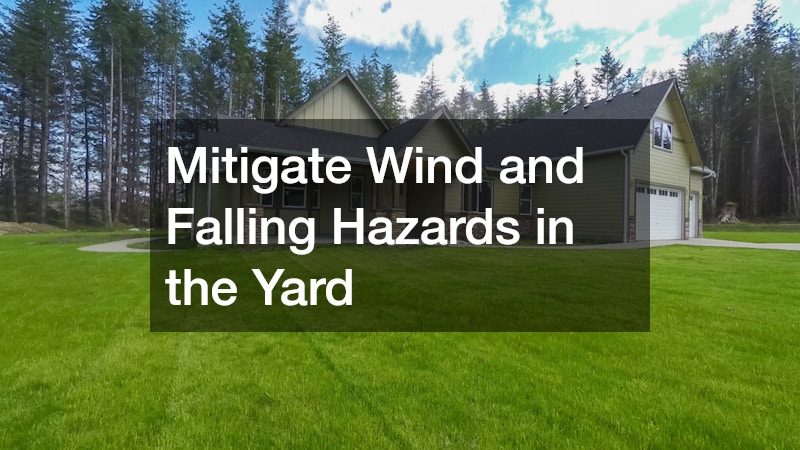
Extreme weather can turn everyday backyard objects into dangerous projectiles. Preparing your home requires looking outward to the surrounding landscape, identifying airborne hazards, and securing the perimeter against severe wind loads.
Remove Dead Wood and Root Trip Hazards
A beautiful, mature tree can quickly become a massive liability during a severe thunderstorm or winter blizzard. You must audit the yard carefully to prevent structural damage and personal injury.
-
Audit the Yard for Airborne Debris: Scan the upper canopy of your mature trees for large, leafless branches that could snap under the weight of heavy ice or extreme winds. Additionally, secure or store loose lawn ornaments, patio furniture, and lightweight gardening equipment that can easily become airborne projectiles.
-
Clear the Ground for Safe Navigation: When you cut down a dead tree, leaving the heavy wooden base protruding from the lawn creates a severe hidden danger, especially when it becomes camouflaged by deep snow or murky floodwaters. Utilizing professional stump grinding is an essential step in preparing your yard. It eliminates the hidden tripping hazard, destroys the nesting grounds for termites seeking winter shelter, and creates a clear, safely navigable landscape.
Reinforce Boundary Lines Against High Winds
Your property line barriers bear the full brunt of open-field wind gusts. A weakened barrier will easily blow over during a severe storm, creating a massive cleanup project and leaving your yard unsecured.
-
Test Posts for Rot and Instability: Walk your boundary line and physically shake the support posts. If you notice leaning sections, hear the cracking of rotted wood at the soil line, or see that the concrete footings have heaved out of the ground due to frost, the structure will likely fail during the next major squall.
-
Install Wind-Rated Borders: Stop wasting time and money patching rotting panels that cannot withstand the changing seasons. Instead, consult a highly rated local fence company to install a sturdy, deep-set barrier. Professionals will ensure the posts are set below the frost line in concrete and that the materials used are engineered to permit airflow or withstand extreme seasonal wind loads without snapping.
Secure Large Openings and Fragile Access Points
The large openings of your home, specifically the area where you park your vehicles and your expansive windows, represent the weakest links in your home’s structural armor. Failing to secure these access points leads to massive energy loss and severe structural vulnerabilities during high-wind events.
Brace the Largest Moving Wall in Your Home
The entryway to your carport is essentially a massive, movable wall. During a hurricane, tornado, or severe blizzard, the wind pressure exerted on this single surface is immense.
-
Check the Balance and Weather Seals: Before freezing temperatures arrive, inspect the heavy rubber weather-stripping at the bottom of the entryway to ensure it creates a tight seal against the concrete. Disconnect the automatic opener and test the manual balance of the heavy tracks; if it feels overwhelmingly heavy, the tension springs are failing.
-
Prevent Catastrophic Wind Pressure Failures: If a weak entryway buckles under high winds, it allows a massive influx of positive pressure into the home, which can literally blow the roof off from the inside out. To prevent this disaster, call a professional garage door service to install wind-load reinforcement struts, replace fraying cables, and ensure the tracks are bolted securely to the home’s framing.
Address Compromised Window Seals and Cracked Panes
Your windows provide vital natural light, but they are notorious for leaking expensive, conditioned air into the freezing winter night or letting sweltering summer heat penetrate your living spaces.
-
Identify Drafts and Condensation: You can easily spot thermal leaks by moving a lit candle slowly around the window casings on a windy day; if the flame flickers aggressively, cold air is pushing through the frame. Furthermore, if you see trapped condensation or fog between double panes of glass, the hermetic insulating seal has ruptured.
-
Restore the Thermal Barrier: You do not need to endure a full frame tear-out and massive drywall repairs just before winter hits. Instead, utilizing targeted residential glass replacement is a highly effective, cost-efficient strategy. Technicians can simply swap out the cracked or blown sashes with brand new, highly insulated panes, immediately stopping freezing drafts and locking your warm, expensive air safely inside the house.
Optimize Climate Control and Seal Wide Apertures

As the temperature drops drastically, your family relies entirely on your internal climate control systems and the integrity of your transition spaces. Ensuring these elements function flawlessly prevents dangerous drops in indoor temperature and keeps your monthly utility bills manageable.
Schedule Preventative Maintenance for the Furnace
Your heating system works tirelessly for months on end. Waiting for it to break down on the coldest night of the year is a dangerous gamble that often results in frozen, burst water pipes and miserable living conditions.
-
Listen for Strange Noises and Check the Filter: Homeowners should perform a preliminary check of their HVAC system before turning it on full-time. Swap out clogged, dirty air filters that suffocate the system, and monitor the unit during startup. If you hear loud rattling, banging, or squealing, the internal components are struggling.
-
Ensure Safe and Efficient Operation: You must be proactive in maintaining this vital machinery. Booking professional Heating services well before the first major freeze is critical. Certified technicians will clean the burners, lubricate the blower motor, and most importantly, check the heat exchanger for microscopic cracks that could leak deadly carbon monoxide into your home. This preventative care guarantees the unit won’t fail during a blizzard.
Weather-Strip and Protect Large Patio Transitions
Modern homes frequently feature massive glass transitions that connect the indoor living room to the outdoor patio. While beautiful in the summer, these massive glass walls require careful winterization.
-
Inspect the Tracks and Glazing on Large Openings: Massive glass transitions have unique vulnerabilities. Dirt, sand, and leaves easily accumulate in the bottom sliding tracks, preventing the panels from closing flush and creating massive air gaps. You must vacuum these tracks thoroughly and inspect the perimeter glazing for shrinking or cracking rubber.
-
Add Heavy Drapery for Insulation: If your home features expansive residential folding doors that open to the backyard, you must take extra precautions to winterize them. Upgrade the perimeter weather-stripping to ensure a completely airtight seal against biting winds. Additionally, installing heavy, thermal-lined curtains provides an essential secondary layer of insulation, preventing massive radiant heat loss through the vast expanse of glass during extreme cold snaps.
Safeguard Internal Infrastructure and Ground Levels

Extreme weather often brings secondary disasters, such as prolonged power grid failures and rapid localized flooding. Preparing your internal infrastructure and protecting your lowest levels of flooring ensures that your home remains habitable and safe even when municipal services fail.
Install Backup Power and Surge Protection
When severe ice storms pull down power lines or summer hurricanes knock out the municipal grid, losing electricity is more than an inconvenience; it is a threat to your home’s security and your family’s health.
-
Map Out Critical Circuits: Take the time to identify exactly which appliances must remain operational during a severe, multi-day grid outage. You will need to keep the refrigerator running to prevent food spoilage, ensure medical devices remain powered, and guarantee that the basement sump pump continues to eject floodwater.
-
Hardwire a Generator and Whole-Home Surge Protector: Never attempt DIY electrical work, especially when dealing with high-voltage backup systems and wet weather conditions. Hire licensed local electrical contractors to safely wire a manual transfer switch for a portable generator or install a permanent standby unit. Furthermore, having them install panel-level surge protection ensures that a sudden lightning strike will not instantly fry your expensive televisions, computers, and smart-home appliances.
Choose Water-Resistant Materials for Vulnerable Areas
The lowest levels of your home and your primary entryways bear the brunt of the changing seasons. Whether it is snow melting off heavy winter boots, mud tracked in during spring showers, or groundwater seeping through the concrete, these areas are constantly exposed to moisture.
-
Assess the Basement and Mudroom for Flood Risk: Evaluate the ground-level and subterranean areas of your home. If you currently have plush carpet in a basement that has a history of dampness, or porous hardwood in a high-traffic mudroom, you are setting yourself up for an expensive mold remediation project.
-
Upgrade to Waterproof Surfaces Before Damage Occurs: The best way to protect your interior is to proactively remove water-sensitive materials before a seasonal flood ruins them. Consulting professional flooring services to install 100% waterproof luxury vinyl plank or durable ceramic tile in these high-risk areas ensures that even if water pools on the surface, it will not absorb, warp, or cultivate toxic mold.
The profound psychological and financial relief that comes from knowing your property is fully fortified against the changing seasons cannot be overstated. When you address the exterior shell, mitigate yard hazards, seal the thermal envelope, and optimize your mechanical systems, you transform your home into an impenetrable sanctuary. You can sit comfortably by the fire, listening to the howling wind outside, entirely confident that your roof will hold, your basement will stay dry, and your family will remain warm.
To maintain this level of security year after year, it is highly recommended to turn these actionable steps into a recurring, biannual maintenance calendar. Dedicate one weekend in the early spring and another in the late fall to systematically walk through this checklist. This routine ensures that you stay consistently ahead of structural wear and tear, catching minor issues before they escalate into catastrophic failures.
Ultimately, seasonal weatherproofing is not just an exercise in avoiding disaster; it is a vital strategy for preserving your property. By treating your home with this level of meticulous, proactive care, you protect its longevity, drastically improve your daily comfort, and ensure its ultimate market value continues to grow for decades to come.