
The concept of a home has evolved from being a simple shelter to becoming a sophisticated, integrated system that manages resources, climate, and comfort. Modernizing your home’s total energy profile is no longer just about swapping out a few old light bulbs for LEDs. It is a comprehensive strategy that looks at the building envelope, the mechanical systems, and the renewable potential of the property. When every component—from the peak of the roof to the depths of the foundation—works in harmony, the result is a residence that is significantly cheaper to operate, more environmentally responsible, and far more comfortable for its inhabitants.
Optimizing the Thermal Envelope from the Top Down

The most significant energy losses in a residential structure typically occur at the highest point. Because heat naturally rises, a phenomenon known as the “stack effect” creates a pressure imbalance that sucks cold air in through the lower levels and pushes conditioned air out through the attic. Addressing this requires more than just adding a few rolls of fiberglass; it requires a surgical approach to air sealing and thermal resistance.
One of the most effective ways to combat this loss is to analyze the density and coverage of your current attic protection. Many older homes suffer from settled materials that no longer provide the rated R-value necessary to keep heat where it belongs. Engaging with professional insulation contractors can reveal hidden bypasses where air leaks through plumbing stacks, wiring penetrations, and recessed lighting fixtures. These experts use specialized equipment to ensure that every nook and cranny is filled, creating a seamless barrier that prevents the conditioned air you pay for from escaping into the atmosphere.
- Conduct a DIY Draft Test: Use a handheld incense stick or a smoke pen around attic hatches and light fixtures on a windy day to see if the smoke wavers.
- Seal the Attic Bypass: Use expandable spray foam or fire-rated caulk to seal gaps around chimneys and vent pipes before adding more bulk insulation.
- Install Attic Baffles: Ensure that your new materials do not block the soffit vents, as airflow is still necessary to prevent moisture buildup and wood rot.
Enhancing Roof Performance for Long-Term Climate Control
If your current shingles are nearing the end of their lifespan, it is the perfect opportunity to upgrade the entire system. A local roof replacement allows you to select materials with high reflectivity and emissivity ratings, which can lower the roof surface temperature by up to 50 degrees. These modern materials, ranging from specialized asphalt shingles to metal panels, act as a mirror for UV rays, significantly reducing the cooling burden on your air conditioning system.
The success of such a project depends heavily on the technical skill of the installers. Choosing a reputable roofing contractor ensures that the transition between the new energy-efficient materials and the existing ventilation system is handled correctly. They will verify that the ridge vents and intake vents are balanced, which is crucial for maintaining the structural integrity of the decking while optimizing the thermal performance of the entire house.
- Check the Solar Reflectance Index (SRI): When choosing materials, look for a high SRI value to ensure maximum heat rejection.
- Inspect Radiant Barriers: Consider installing a foil-backed radiant barrier on the underside of the roof sheathing to reflect heat away from the attic floor.
- Verify Ventilation Balance: Ensure there is one square foot of vent area for every 300 square feet of attic floor space to keep the system breathing.
Harvesting Clean Power with Integrated Technology
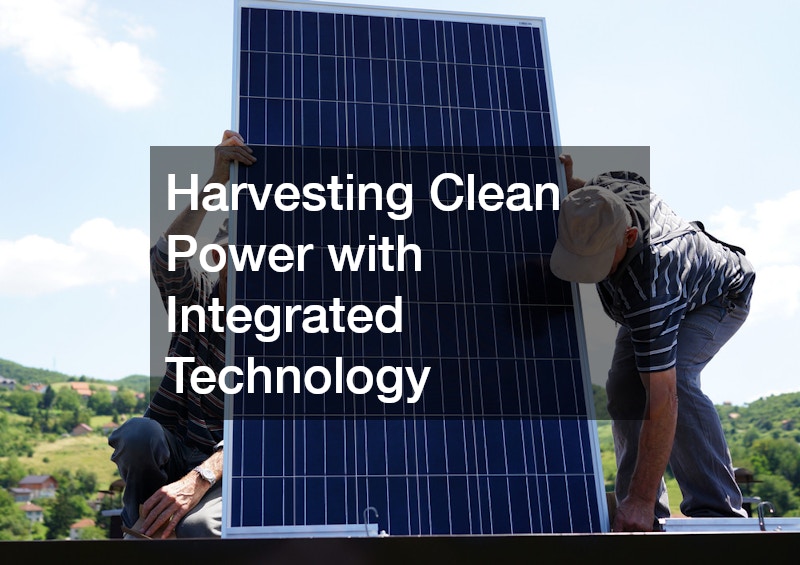
Once the home is properly sealed and insulated, the next logical step in modernizing an energy profile is the transition from energy consumer to energy producer. Generating your own electricity on-site is the ultimate way to hedge against rising utility costs and grid instability. However, this is not a project that should be done in a vacuum without considering the state of the structure.
Implementing a solar installation is a major mechanical upgrade that requires a stable and durable platform. By generating your own power, you can run high-efficiency heat pumps or electric vehicle chargers with virtually zero operational cost. This integration allows the home to function as a micro-power plant, often selling excess energy back to the grid during peak production hours.
Before the panels are mounted, it is vital to have the underlying structure vetted by specialists who understand the weight loads involved. A residential roofing company can perform a structural audit to ensure the rafters are capable of supporting the array for the next twenty-five years. This prevents future headaches, such as having to dismantle a perfectly functional solar array just to fix a minor leak that should have been addressed before the panels went up.
- Analyze Your Sun Score: Use online tools to determine the kilowatt-hour potential of your specific roof orientation and shading.
- Consider Battery Backup: Adding a lithium-ion storage system allows you to use your harvested energy at night, further increasing your independence.
- Monitor in Real-Time: Use smart home apps to track your production versus consumption, identifying which appliances are the biggest energy hogs.
Advanced Glazing and Sealing Strategies for the Home’s Perimeter
In many cases, the most effective solution for an aging home is a full window replacement. Modern units feature double or triple-pane glass filled with inert gases like argon or krypton, which provide much higher resistance to heat flow. Additionally, low-emissivity coatings can be tuned to your specific climate, either trapping heat inside during cold winters or blocking solar gain during hot summers.
The people performing the work are just as important as the products themselves. Experienced roofers often note that water and air leaks at the top of a window frame are frequently caused by poor flashing integration with the siding or roofline. Ensuring that the windows are installed with high-quality flashing and expanding foam sealant will prevent the microscopic drafts that make a room feel chilly even when the thermostat is turned up.
- Check the U-Factor: Look for a lower U-factor for better insulation performance against non-solar heat flow.
- Look for the SHGC Rating: In warm climates, a low Solar Heat Gain Coefficient is essential to keep the sun from overheating your interior.
- Test for Air Leakage: Feel for “ghost” breezes around the window sash on cold days, which indicates a failure of the weatherstripping.
Managing Ground-Level Heat Transfer and Structural Shielding

While we often focus on the roof and walls, the foundation of the home is a massive thermal mass that interacts constantly with the earth. A concrete base can act as a bridge, pulling heat out of the house in the winter and introducing humidity in the summer. Modern energy management requires that we treat the basement or crawlspace with the same rigor as the attic.
An uninsulated cement slab is essentially a permanent connection to the 55-degree temperature of the deep soil. In a heated home, this temperature difference causes constant energy transfer. Applying rigid foam insulation to the perimeter of the slab or underneath a new pour can break this thermal bridge, making the floors feel warmer to the touch and reducing the workload on your furnace.
However, when you seal up the lower levels of a home to save energy, you must be mindful of the local ecosystem. It is wise to have local exterminators inspect the area before and after you add insulation or seal foundation cracks. High-performance homes are airtight, and the last thing you want is to accidentally trap pests inside your newly insulated walls or provide them with a hidden highway through foam boards.
- Install a Vapor Barrier: Cover any exposed dirt in crawlspaces with a heavy-duty plastic liner to stop moisture from driving up your AC costs.
- Insulate Rim Joists: Use spray foam to seal the area where the house frame meets the foundation, as this is a notorious spot for air infiltration.
- Dehumidify the Basement: Keeping the lower level at a consistent 50% humidity reduces the “latent load” on your cooling system, making 72 degrees feel much cooler.
Extending the Living Space with Energy-Conscious Additions
Utilizing professional enclosed patio services allows you to create a beautiful, light-filled space that doesn’t bleed energy. These modern enclosures use thermally broken aluminum or vinyl frames and insulated glass that rivals the performance of standard house walls. This allows you to enjoy the feeling of being outdoors without the massive spike in your utility bills that used to be associated with glass-heavy additions.
As you plan these extensions, remember that the “Total Energy Profile” includes the protection of the building materials themselves. During the construction of a new patio or sunroom, local exterminators should be brought in to treat the soil and the wood framing. Termites and other pests are often attracted to the moisture that can accumulate in the transition zones between an old structure and a new addition, and keeping them at bay is essential for “fixing it for keeps.”
- Opt for Low-E Glass: Ensure your patio enclosure uses the same high-standard glass as your home windows to prevent the “greenhouse effect.”
- Install Thermal Blinds: Use custom-fitted shades to block the afternoon sun, reducing the cooling load on the rest of the house.
- Check for Air Tightness: Ensure the door connecting the addition to the main house has a high-quality threshold and weatherstripping.
Maintaining High-Performance Systems Through Professional Oversight

Scheduling a regular visit from a roofing contractor is one of the smartest maintenance moves you can make. They can spot minor issues like backed-up gutters or loose flashing that might seem small but can lead to water intrusion. Water-logged insulation loses almost all of its R-value, turning a modernized attic back into an energy-wasting liability in a single storm season.
Furthermore, the mechanical systems that power your home must be kept in peak condition. For example, if you have invested in a high-tech solar array, its efficiency can drop by 10% or more just from a layer of dust or pollen. Having the system checked by your residential roofing company ensures that the mounting brackets remain watertight and that the panels are positioned for maximum harvest as trees grow and shadows change over the years.
- Annual Thermographic Scans: Hire a pro to walk through your home with an infrared camera once a year to find new cold spots.
- Clean Solar Arrays: Gently wash your panels every spring to remove the winter’s grime and maximize your energy production.
- Audit Your Thermostat: Periodically review your smart thermostat settings to ensure they still align with your family’s current schedule.
The Cumulative Impact of Small Changes
While large-scale projects like solar or roof replacement make the biggest headlines, the “Total Energy Profile” is also built on a foundation of smaller, persistent efforts. These are the daily habits and minor hardware updates that bridge the gaps between the major renovations.
For instance, while you are waiting for a major window replacement, you can significantly improve your comfort by applying high-quality caulking around the interior trim. Similarly, ensuring that your HVAC filters are changed monthly allows the system to breathe easier, which preserves the life of the motor and reduces electricity consumption. These small acts of upkeep ensure that the large investments you make are supported by a well-cared-for environment.
- Switch to Smart Power Strips: These devices cut power to “vampire” electronics like TVs and game consoles when they aren’t in use.
- Insulate Hot Water Pipes: Use foam sleeves on the first six feet of piping coming out of your water heater to reduce standby heat loss.
- Monitor Humidity Levels: Use a simple hygrometer to keep indoor humidity between 30% and 50% for optimal comfort and efficiency.
As technology continues to advance, the “Total Energy Profile” of the American home will only become more integrated. From smart grids that talk to your appliances to bio-based insulation materials that breathe with the seasons, the future of home upkeep is bright. By starting with the fundamentals—the shell, the windows, and the power source—you are laying the groundwork for a home that is truly ready for whatever the future brings. This proactive approach ensures your sanctuary remains a place of efficiency and peace, regardless of the world outside.