
Owning a home is not just about comfort or appearance; it is about stewardship. A house is a complex system of interconnected components that work quietly every day. When everything functions properly, it is easy to forget those systems exist. But when even one element is neglected, the consequences can be disruptive, expensive, and stressful.
Annual maintenance is the difference between being proactive and constantly reacting to emergencies. Homeowners who schedule routine checks protect their investment, reduce unexpected expenses, and maintain consistent comfort year-round. This guide walks through the essential systems every homeowner should maintain annually, explaining what to watch for, what you can handle yourself, and when professional help becomes necessary.
Many of the most costly home repairs do not begin as sudden failures. They start as small, easily overlooked issues that gradually worsen over time. A slow drip, a minor performance change, or an unusual sound can signal underlying wear that, if ignored, leads to far more extensive damage. Regular inspections bring these subtle warning signs to the surface early.
Maintenance also helps homeowners better understand how their home functions as a whole. When you know what to monitor and why it matters, decisions become more informed and less reactive. Instead of guessing or delaying action, you gain confidence in maintaining your home efficiently, responsibly, and with long-term reliability in mind.
Protecting Pipes Before Small Problems Escalate
Water supply lines are among the most vulnerable systems in any home. Pipes run through walls, ceilings, crawl spaces, and slabs, making early issues difficult to spot. Unfortunately, when pipe problems go unnoticed, they rarely stay small.
Minor corrosion, loose fittings, or temperature stress can slowly compromise pipe integrity. Over time, these issues often lead to leaks that damage insulation, framing, flooring, and even foundations.
Annual pipe maintenance focuses on early detection and prompt correction before water damage spreads.
How minor pipe issues turn into major damage
Small pipe failures rarely announce themselves dramatically. Instead, they often appear as subtle changes that homeowners dismiss until damage becomes visible.
Common escalation patterns include:
- Slow seepage behind walls that leads to mold growth
- Pinholes that widen due to pressure fluctuations
- Loose fittings that worsen as pipes expand and contract
- Mineral buildup that weakens pipe walls internally
What makes pipes particularly dangerous is that water damage compounds quickly. Even a slow drip can saturate wood framing and drywall within days.
Annual pipe checks that homeowners can perform
While not all pipe issues are visible, a yearly inspection can reveal early warning signs.
Homeowner-friendly checks include:
- Inspecting exposed pipes under sinks, in basements, and in utility rooms
- Looking for discoloration, flaking metal, or greenish residue
- Checking shutoff valves for stiffness or moisture
- Monitoring unexplained increases in water bills
- Listening for running water sounds when fixtures are off
These steps take little time but often catch problems early enough to avoid invasive repairs.
Knowing when professional repair is required
Some issues are beyond DIY fixes. Temporary solutions like tape or sealant may slow a problem, but do not address the underlying cause.
Situations that typically require local pipe repair include:
- Cracked or corroded pipe sections
- Repeated leaks at the same joint
- Pipe damage caused by freezing
- Leaks occurring inside walls or under slabs
Prompt leak repair is especially critical because moisture rarely stays contained. Addressing it early reduces the risk of mold, structural damage, and insurance claims.
Seasonal factors that increase risk
Certain times of year place additional stress on pipes:
- Winter freezing and thawing cycles
- Spring soil shifting around underground lines
- Summer water pressure increases from irrigation use
Annual inspections timed before these high-risk periods significantly reduce failure rates.
Keeping Water Flow Efficient Throughout the Home
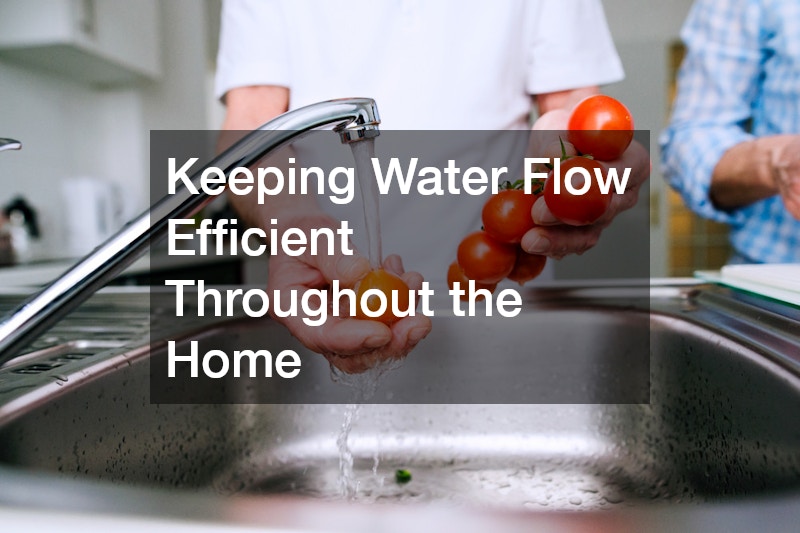
A home’s drainage system is designed to move waste and water away efficiently. When that system slows down, pressure builds, odors develop, and backups become more likely.
Annual maintenance focuses on keeping water flowing freely while minimizing wear on pipes and fixtures.
Why drainage efficiency matters
Poor drainage affects more than convenience. It can impact hygiene, air quality, and long-term system health.
When drains slow:
- Pipes experience increased internal pressure
- Organic buildup accelerates corrosion
- Sewer gases can enter living spaces
- Fixtures wear out faster due to standing water
Many homeowners underestimate how interconnected drainage problems can be.
Habits that protect drains year-round
Daily habits play a major role in drain health. Annual maintenance should include reviewing what goes into sinks, tubs, and floor drains.
Best practices include:
- Avoiding grease, oils, and food scraps in kitchen sinks
- Using drain strainers in showers and tubs
- Flushing drains monthly with hot water
- Limiting use of harsh chemical cleaners
These habits reduce buildup and extend pipe lifespan.
Preventive maintenance versus emergency response
Emergency backups are disruptive and costly. Scheduling routine plumbing service allows professionals to identify restrictions and buildup before they cause failures.
Benefits of preventive care include:
- Reduced risk of sewage backups
- Early identification of pipe damage
- Improved drainage speed and odor control
A scheduled drain cleaning service is particularly effective in homes with older pipes, large households, or recurring slow drains.
Warning signs homeowners should not ignore
Certain symptoms suggest drainage problems deeper in the system:
- Gurgling sounds from multiple fixtures
- Slow drainage throughout the house
- Persistent sewer odors
- Water backing up in lower-level drains
Addressing these signs early prevents damage that often spreads beyond plumbing alone.
Avoiding Kitchen and Bathroom Disruptions
Kitchens and bathrooms are the most heavily used areas of any home. When drainage issues arise here, daily routines grind to a halt.
While clogs are common, recurring problems often signal underlying issues that need proper attention.
Why surface clogs often hide deeper problems
A clogged sink drain may appear to be a simple blockage, but repeated clogs usually indicate buildup farther down the line.
Common contributors include:
- Grease accumulation in kitchen pipes
- Soap and hair buildup in bathroom drains
- Improper disposal habits
- Aging pipe materials that trap debris
Ignoring the cause often leads to increasingly frequent clogs.
Prevention strategies homeowners can implement
Annual maintenance should reinforce habits that reduce clog formation.
Helpful strategies include:
- Installing mesh strainers on all sink drains
- Running hot water after each use
- Using enzyme-based cleaners periodically
- Avoiding fibrous foods and coffee grounds
These steps significantly reduce the likelihood of recurring issues.
Knowing when professional help is necessary
DIY solutions have limits. Repeated plunging or chemical cleaners can damage pipes and worsen long-term problems.
Situations where a plumber should be called include:
- Multiple fixtures clogging at once
- Water backing up into other drains
- Clogs returning shortly after clearing
- Slow drainage accompanied by odors
Professional tools and diagnostics address the root cause rather than providing temporary relief.
Long-term benefits of addressing clogs properly
When clogs are resolved correctly, homeowners benefit from:
- Faster drainage and improved usability
- Reduced pipe wear and corrosion
- Fewer emergency service calls
- Improved indoor air quality
Annual attention prevents inconvenience from turning into structural damage.
Maintaining Reliable Heating During Peak Demand

A home’s heating system is critical not only for comfort but also for safety. Annual maintenance ensures consistent performance when demand is highest.
Heating systems often degrade gradually, making efficiency loss hard to notice until energy bills rise or failures occur.
Why annual heating maintenance matters
Neglected heating systems experience:
- Reduced efficiency and higher energy costs
- Uneven heat distribution
- Increased wear on components
- Higher likelihood of breakdowns during cold weather
Routine checks help homeowners avoid being left without heat during critical periods.
Maintenance tasks homeowners can handle
While professional servicing is essential, homeowners can perform several tasks annually:
- Replacing air filters regularly
- Ensuring vents and registers are unobstructed
- Checking thermostat accuracy
- Listening for unusual noises
These simple actions improve performance and extend equipment life.
Signs that professional service is needed
Certain symptoms indicate the need for professional furnace repair:
- Inconsistent temperatures between rooms
- Frequent cycling on and off
- Unusual sounds or odors
- Sudden spikes in energy usage
Some heating systems also rely on water-based components, which is why a plumber may be involved in diagnosing circulation or pressure issues.
Coordinating heating and plumbing systems
In homes with boilers or radiant systems, heating and plumbing overlap. Annual maintenance ensures both systems operate efficiently without stressing shared components.
Safeguarding Septic Systems Through Routine Care
Homes with private waste systems rely on proper care to prevent environmental contamination and costly failures. Unlike visible fixtures, septic systems operate underground, making neglect especially risky.
Annual attention focuses on monitoring system health and usage patterns.
How septic systems fail silently
Most septic problems develop gradually. Waste accumulation, bacterial imbalance, or drain field saturation may not show symptoms until damage is extensive.
Common failure triggers include:
- Excessive water usage
- Improper disposal of solids
- Skipped inspections
- Aging system components
By the time symptoms appear, repairs are often extensive.
Daily habits that extend system life
Homeowners play a major role in system longevity. Annual maintenance should reinforce proper usage habits.
Key practices include:
- Spacing out laundry loads
- Avoiding non-biodegradable materials
- Using septic-safe cleaning products
- Conserving water where possible
These habits reduce strain on the system year-round.
The value of routine evaluations
Septic inspections provide insight into system condition without guesswork. They assess tank levels, structural integrity, and flow efficiency.
Working with experienced septic companies allows issues to be identified before contamination or backups occur.
Aligning inspections with other maintenance tasks
Many homeowners schedule septic evaluations alongside other annual home checks, making system care more efficient and consistent.
Preventing Backups and Overflows Before They Happen
One of the most expensive septic failures occurs when tanks overflow or drain fields fail. Preventive care focuses on timely waste removal and system monitoring.
Why pumping schedules vary
No two households use their systems the same way. Tank size, household size, and usage habits all influence how quickly waste accumulates.
Factors affecting pumping frequency include:
- Number of occupants
- Water usage habits
- Presence of garbage disposals
- System age
Annual evaluation helps determine appropriate service intervals.
Recognizing warning signs of capacity issues
Homeowners should be alert to symptoms that indicate a tank is nearing capacity:
- Slow drains throughout the home
- Gurgling noises
- Sewage odors outdoors
- Standing water near the drain field
Ignoring these signs often leads to costly damage.
Benefits of timely waste removal
A scheduled septic pumping service removes accumulated solids that can clog outlets and damage drain fields.
Benefits include:
- Reduced risk of backups
- Extended system lifespan
- Lower likelihood of contamination
- Improved overall performance
Choosing professionals for long-term care
Reliable septic companies often provide pumping, monitoring, and guidance on proper usage, helping homeowners protect their systems year after year.
Creating an Annual Home Systems Maintenance Calendar
Consistency is the key to effective maintenance. Creating a yearly calendar helps homeowners stay proactive instead of reactive.
An effective calendar includes:
- Seasonal checks aligned with weather changes
- Scheduled professional inspections
- Reminder notes for homeowner tasks
- Budget planning for maintenance expenses
Grouping tasks reduces oversight and spreads costs evenly throughout the year.
How Preventive Maintenance Preserves Property Value
Well-maintained systems directly influence a home’s resale value. Buyers are more confident when mechanical systems show signs of care and documentation.
Annual maintenance helps by:
- Reducing inspection issues
- Demonstrating responsible ownership
- Minimizing deferred maintenance concerns
- Supporting insurance claims if needed
Homes with documented care often sell faster and with fewer concessions.
Annual maintenance is not about perfection; it is about prevention. Every system in a home ages, but the rate of decline depends largely on how it is cared for. By taking a proactive approach, homeowners reduce stress, protect their investment, and create a safer, more reliable living environment.
A consistent yearly routine transforms homeownership from a cycle of emergencies into a process of confident stewardship. Over time, that mindset saves money, preserves comfort, and ensures that the home continues to serve its purpose for years to come.
Just as importantly, annual maintenance gives homeowners clarity. When systems are checked regularly, there are fewer unknowns and far fewer moments of panic. Instead of reacting to sudden failures, homeowners can plan ahead, budget responsibly, and make informed decisions about repairs or upgrades. This sense of control is one of the most overlooked benefits of routine care.
Maintenance also supports daily quality of life. Comfortable temperatures, reliable water flow, and properly functioning waste systems allow a household to run smoothly without constant disruptions. Small inconveniences addressed early rarely become major frustrations later.
Ultimately, a well-maintained home reflects intentional ownership. It signals care not only for the structure itself, but for the people living inside it. By committing to annual upkeep, homeowners create stability, protect long-term value, and ensure their home remains a dependable place to live, grow, and build memories well into the future.
Betso88 legit or not, that’s the question! Been burned before, so gotta do my research. Anyone got the inside scoop on betso88legitornot? Is it the real deal or a scam?
Been using 4rabet for a while now, and their sportsbook is pretty solid. Good odds, lots of sports, and the site’s easy to navigate. If you’re looking for a new bookie, give them a shot: 4rabetsportsbook
Having trouble logging into Royal Jeet 365? This might be the login page: royaljeet365login Just a heads up – always double-check you’re on the official site before entering your details.
Helpful info. Lucky me I found your web site accidentally, and I’m stunned why this twist of fate didn’t happened in advance! I bookmarked it.
I am sure this article has touched all the internet users, its really really fastidious post on building up new webpage.
Earn up to 40% commission per sale—join our affiliate program now!
Ahaa, its pleasant dialogue about this article at this place at this blog, I have read all that, so now me also commenting here.
I am sure this piece of writing has touched all the internet visitors, its really really fastidious piece of writing on building up new blog.
f8n7bn
Ph35login is the key. Smooth access, gets me right in. Worth using ph35login. No need to mess around!
Yo, gotta say, spinph88 com login was pretty smooth. No fuss, got right into the games. Good stuff! Check it out: spinph88 com login
Tojaybetdownload, the download was quick and easy. Playing it right now! Maybe you should try it too: tojaybetdownload
I am sure this article has touched all the internet people, its really really good paragraph on building up new blog.
Greetings! Very helpful advice in this particular article! It’s the little changes that produce the largest changes. Thanks for sharing!
It’s not my first time to go to see this web site, i am visiting this website dailly and take pleasant information from here all the time.
v3glpe
I believe this site contains very good composed subject material content.
My brother recommended I might like this blog. He was once entirely right. This publish actually made my day. You cann’t imagine simply how a lot time I had spent for this information! Thank you!
I’ll right away seize your rss as I can’t to find your email subscription hyperlink or e-newsletter service. Do you have any? Please let me realize so that I may subscribe. Thanks.
Ahaa, its fastidious conversation on the topic of this piece of writing here at this website, I have read all that, so at this time me also commenting here.
I am sure this post has touched all the internet users, its really really good post on building up new web site.
Hi, I do think this is an excellent blog. I stumbledupon it 😉 I will revisit yet again since i have bookmarked it. Money and freedom is the greatest way to change, may you be rich and continue to guide other people.
I will right away seize your rss as I can’t in finding your email subscription link or newsletter service. Do you’ve any? Please let me recognise so that I may subscribe. Thanks.
If some one desires to be updated with latest technologies afterward he must be go to see this web site and be up to date every day.
9dcbuw
Check it peeps! Finally found a new spot where the action is hot! You can get payouts real fast. The spot is Pearl123bbr: pearl123bbr
Yo, bk8speed is legit fast, guys. Seriously, if you need quick action, check ’em out. It’s where I usually get my fix. bk8speed
Alright, sports fans, bk8sports is my go-to for betting. They’ve got everything from football to MMA. It’s solid. bk8sports
There is definately a lot to learn about this subject. I love all the points you’ve made.
Hello, just wanted to mention, I enjoyed this article. It was funny. Keep on posting!
During that time, the ROBLOX web site domain was faraway from the web, shown right here Some customers were capable of access the site for a few minutes at a time.
Alright, time to check out 7gamesentrar. Hoping the selection of games is decent. Need some recommendations, guys! You can access online here: 7gamesentrar
Yohohoio sounds pretty piratey to me, and that’s cool! The color are great and easy on the eyes. A bit fun with yohohoio.
Heard some good things about 236betcom. Gave it a spin last week and honestly, I’m digging it. Worth a look if you’re hunting for something new. 236betcom
I’ll right away snatch your rss as I can’t in finding your email subscription hyperlink or newsletter service. Do you’ve any? Please permit me understand so that I may subscribe. Thanks.
d7ak9d
Join our affiliate program today and earn generous commissions!
Heard about canohu and decided to check it out. Pretty solid platform, easy to navigate. Will definitely be back! Check it out here: canohu.
Been playing on ar777 lately, it’s pretty decent! The games are fun and payout seems fair. Check it out at ar777 and see what you think.
A33clubgame’s got some interesting stuff. I’m liking the variety of games they offer. Give a33clubgame a shot if you’re looking for something new.
85mw7j
nbygys
ltcgad
ceur2b
Earn up to 40% commission per sale—join our affiliate program now!
Drive sales and watch your affiliate earnings soar!