
Owning a home comes with a steady stream of responsibilities, and knowing how to handle them efficiently can make a significant difference in both cost and long-term value. From minor fixes to major system upgrades, every repair decision impacts your home’s safety, functionality, and resale potential. The challenge for most homeowners isn’t just fixing problems—it’s knowing where to start and how to approach each issue with confidence.
This guide is designed to provide a practical framework for managing repairs and improvements across every area of your home. By understanding core systems, recognizing early warning signs, and prioritizing preventive maintenance, you can reduce unexpected breakdowns and avoid unnecessary expenses. Whether you’re tackling projects yourself or coordinating with professionals, a structured approach ensures better results and fewer surprises.
Think of this manual as a roadmap for smarter homeownership. It focuses on clear, actionable strategies that help you stay ahead of problems rather than reacting to them. With the right mindset and a solid plan, maintaining your home becomes a controlled, manageable process instead of an overwhelming task.
Know Before You Fix

Successful homeownership starts with understanding your limits and knowing when to act. Not every issue requires a professional, but not every fix is DIY-friendly either. Structural concerns, gas lines, and complex systems often demand specialized expertise, while cosmetic updates and minor repairs can typically be handled independently. Developing this judgment early prevents costly mistakes and keeps your home safe.
A well-structured home maintenance calendar is one of the most effective tools a homeowner can create. By scheduling seasonal inspections and routine upkeep, you can catch small issues before they escalate into expensive problems. Tasks like gutter cleaning, HVAC servicing, and roof inspections should be planned months in advance. Consistency in maintenance reduces emergency repairs and extends the lifespan of key systems.
Equipping yourself with a reliable toolkit is equally important. Essentials like a hammer, adjustable wrench, drill, level, and measuring tape form the foundation of most home projects. Over time, you can expand your collection to include specialized tools as your confidence grows. Having the right tools on hand not only saves time but also improves the quality of your work.
Another critical component of the homeowner’s mindset is understanding permits, codes, and local regulations before starting any repair or upgrade. Many projects—especially those involving structural changes, electrical work, or plumbing modifications—require approval from local authorities. Skipping this step can lead to fines, failed inspections, or complications when selling your home. Taking the time to verify requirements upfront ensures your work is compliant, protects your investment, and avoids unnecessary setbacks.
Heating and Cooling Systems
Your HVAC system plays a central role in maintaining comfort, but it often gives subtle warning signs before failing. Uneven temperatures, strange noises, or rising energy bills can all indicate underlying issues. Addressing these signs early can prevent a full system breakdown and reduce long-term costs.
When these warning signals appear, many homeowners begin considering AC repair to restore efficiency and comfort. Prompt attention to cooling issues can prevent further damage to the system and avoid more expensive replacements. Ignoring early symptoms often leads to compounded problems that are harder to resolve.
Routine maintenance is essential for keeping your HVAC system running efficiently. Changing air filters every one to three months, cleaning condenser coils, and calibrating your thermostat can significantly improve performance. These simple steps also help maintain indoor air quality and reduce strain on the system.
There are times when routine care is not enough. If your system is over a decade old or requires frequent repairs, it may be more cost-effective to replace it. Consulting a certified technician ensures you receive accurate diagnostics and recommendations tailored to your home’s needs.
Energy efficiency should also be a core consideration when managing your heating and cooling systems. Sealing ductwork, upgrading insulation, and installing a programmable or smart thermostat can significantly reduce energy consumption without sacrificing comfort. These improvements help your system operate more efficiently, lowering utility costs and extending equipment lifespan. Over time, even modest efficiency upgrades can deliver measurable savings while reducing overall strain on your HVAC system.
Kitchen Upgrades That Start With the Basics
Before diving into a kitchen renovation, evaluating your current layout is critical. Workflow efficiency, storage accessibility, and appliance placement all influence how functional your space will be. A well-planned layout minimizes wasted movement and maximizes usability.
Material selection plays a major role in both durability and aesthetics. Choosing high-quality kitchen countertops ensures your surfaces can withstand daily wear while enhancing the overall design. Options like quartz, granite, and solid surface materials offer varying levels of maintenance and longevity.
Storage is another foundational element that should not be overlooked. Investing in custom cabinets allows you to tailor your kitchen to your specific needs, maximizing space and organization. Thoughtful cabinet design can transform even small kitchens into highly functional environments.
Beyond surfaces and storage, lighting and ventilation also deserve attention. Proper lighting improves visibility and safety, while effective ventilation helps manage moisture and odors. Together, these elements create a kitchen that is both practical and comfortable.
Appliance selection should also be factored into your overall kitchen upgrade strategy. Choosing energy-efficient models that align with your cooking habits can improve both functionality and long-term operating costs. Proper sizing and placement are critical to maintaining a balanced layout and ensuring adequate clearance for safe use. Integrating appliances seamlessly into the design also contributes to a more cohesive and streamlined appearance.
Electrical Systems
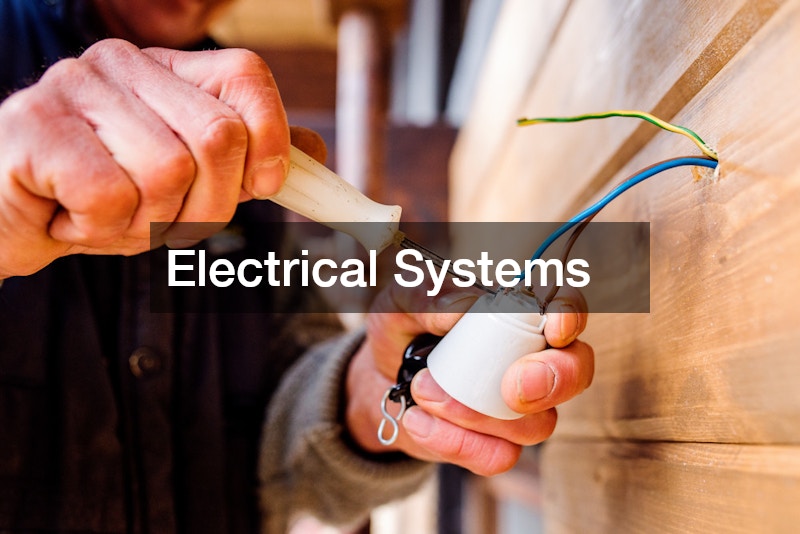
Electrical issues can pose serious safety risks if not handled correctly. Flickering lights, frequently tripped breakers, and outdated wiring are common indicators of underlying problems. Identifying these issues early helps prevent hazards such as electrical fires.
Some minor tasks, like replacing outlets or installing light fixtures, can be handled by experienced homeowners. However, more complex work should always be left to a licensed electrician. Professional expertise ensures compliance with building codes and reduces the risk of injury or damage.
Understanding your breaker panel is another key aspect of electrical safety. Knowing which circuits control specific areas of your home allows you to respond quickly during an outage. Labeling each breaker clearly can save time and prevent confusion in emergencies.
Regular inspections of your electrical system can help maintain safety and efficiency. Upgrading outdated components and ensuring proper grounding are proactive steps that protect both your home and your family.
Plumbing Fundamentals
Plumbing systems are integral to daily living, making it essential to understand their basic operation. Knowing the location of your main shutoff valve can prevent significant water damage in emergencies. Familiarity with your pipe layout also helps when diagnosing issues.
For more complex problems or persistent issues, homeowners often rely on a professional plumbing service to ensure proper repairs. Skilled technicians can address leaks, pressure issues, and system inefficiencies more effectively than DIY methods. This approach minimizes long-term damage and ensures reliable performance.
Routine maintenance is just as important as emergency preparedness. Regular inspections of pipes, fixtures, and water heaters can identify wear and tear before failures occur. Preventive care reduces the likelihood of unexpected breakdowns.
Keeping your drainage system clear is another critical responsibility. Scheduling periodic drain cleaning helps prevent clogs, slow drainage, and unpleasant odors. Consistent maintenance ensures your plumbing system operates smoothly year-round.
Outdoor Living Spaces
Outdoor areas add significant value and enjoyment to your home, but they require consistent upkeep. Decks, patios, and walkways should be inspected regularly for signs of wear, such as cracks or loose boards. Addressing these issues early helps maintain safety and appearance.
Enhancing comfort in outdoor spaces often involves adding protective features. Installing patio shades can provide relief from direct sunlight and improve usability during warmer months. These additions also help protect furniture from UV damage.
Weatherproofing is another essential step in maintaining outdoor structures. Sealing wood surfaces, reinforcing joints, and ensuring proper drainage all contribute to long-term durability. These measures protect against environmental damage and extend the life of your investments.
Thoughtful design can further improve functionality. Incorporating lighting, seating, and landscaping elements creates a cohesive and inviting outdoor environment. These upgrades make your space more versatile and enjoyable throughout the year.
Windows and Doors

Windows and doors serve as the primary barrier between your home and the outside environment. Drafts, condensation, and difficulty opening or closing are common signs of aging components. Addressing these issues promptly improves energy efficiency and comfort.
When it’s time for replacements, sourcing quality materials from a reliable window supply provider is essential. High-performance windows can significantly reduce energy loss and enhance overall insulation. Selecting the right products ensures long-term value and performance.
Proper installation is just as important as product selection. Even the best windows will underperform if installed incorrectly. Ensuring a tight seal and proper alignment prevents air leaks and water intrusion.
Regular maintenance, such as cleaning tracks and inspecting seals, helps extend the lifespan of your windows and doors. Small efforts can lead to significant improvements in efficiency and durability over time.
Below the Surface
Your home’s foundation and lower-level systems require careful attention. Cracks, moisture intrusion, and uneven floors can indicate structural issues that need immediate evaluation. Ignoring these signs can lead to more extensive and costly repairs.
Transforming unused lower-level space through basement renovations can add both functionality and value to your home. Proper planning ensures the space is safe, comfortable, and compliant with building codes. Waterproofing and insulation are critical components of any successful renovation.
Waste management systems also require routine care. Scheduling regular septic tank cleanings helps prevent backups, odors, and system failures. Consistent maintenance protects both your property and the surrounding environment.
Monitoring drainage and grading around your home is another important step. Proper water management reduces the risk of foundation damage and basement flooding. Preventive measures in this area can save significant repair costs.
Preventive Maintenance
Preventive maintenance is the most cost-effective approach to homeownership. Creating a seasonal, room-by-room checklist ensures no area is overlooked. Regular inspections help identify potential issues before they become serious problems.
Simple tasks like caulking gaps, sealing cracks, and waterproofing vulnerable areas can make a significant difference. These small actions protect your home from moisture, pests, and energy loss. Consistency is key to maintaining long-term performance.
Keeping detailed maintenance records is another valuable practice. Documentation helps track repairs, warranties, and service history. This information is especially useful when selling your home or filing insurance claims.
Investing time in preventive care reduces the need for emergency repairs. It also provides peace of mind, knowing your home is well-maintained and protected against common issues.
Knowing When to Call the Pros

Even the most capable homeowners need professional assistance at times. Knowing when to call in experts is critical for maintaining safety and quality. Complex systems, structural repairs, and code compliance issues are best handled by experienced contractors.
Vetting professionals carefully ensures you receive reliable service. Checking credentials, reading reviews, and obtaining multiple quotes can help you make informed decisions. Clear communication about scope, timeline, and budget is essential for successful projects.
Prioritizing repairs based on urgency and impact allows you to allocate resources effectively. Safety concerns should always come first, followed by issues that affect functionality and efficiency. Strategic planning helps prevent financial strain.
Exploring financing options and home warranty plans can make large repairs more manageable. These tools provide financial flexibility and reduce the burden of unexpected expenses. With the right approach, even major home improvements can be handled with confidence and control.
Maintaining a home effectively comes down to consistency, informed decision-making, and knowing your limits. When you understand how each system functions and stay proactive with upkeep, you reduce the likelihood of unexpected breakdowns and costly repairs. Small, routine efforts compound over time, preserving both the structure of your home and its overall value.
Equally important is recognizing when a task requires professional expertise. Attempting to handle complex repairs without the right knowledge can create larger issues and increase expenses. By balancing DIY efforts with strategic outsourcing, you ensure that every project is completed safely and to a high standard.
Ultimately, a well-maintained home is the result of planning, attention to detail, and disciplined follow-through. With a clear maintenance strategy and the right resources in place, you can approach homeownership with confidence and control. The goal isn’t to fix everything at once, but to build a system that keeps everything working as it should—year after year.