Every month, millions of homeowners face rising utility bills with concern. As energy rates climb and weather becomes unpredictable, maintaining a home feels like a financial struggle. Many view these costs as unchangeable.
This overlooks a critical truth: your home is a dynamic ecosystem. Every part interacts to regulate temperature, water, and power. When one part fails, others work harder, compounding into significant financial leaks.
Reducing utility bills isn’t about deprivation. It involves identifying flaws, restoring performance, and making strategic upgrades for measurable returns. By actively maintaining your home, you can transform it into a cost-efficient system.
Optimizing Heating and Cooling Systems for Peak Seasonal Performance
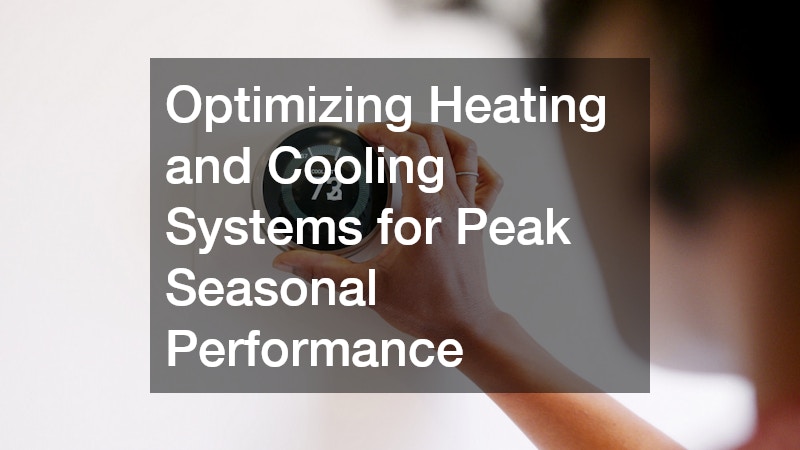
Heating and cooling usually make up more than half of a home’s energy use. If a climate control system runs inefficiently, its run-time can increase significantly. A system meant to cool a home in twenty minutes might take forty-five minutes if its components are dirty, uncalibrated, or stressed. This longer run-time raises energy consumption and speeds up wear and tear on your equipment.
The mechanical cost of delayed maintenance is steep. Dirty condenser coils restrict heat transfer, forcing the system to consume up to thirty percent more energy to deliver the same amount of cooling. Weak capacitors can cause motors to run hot or struggle during start-up, drawing massive spikes of electrical current. Homeowners must understand the concept of the temperature split, the differential between the air entering the return vents and the air exiting the supply vents. In a properly functioning cooling system, this split should measure between fifteen and twenty degrees Fahrenheit. If your split is lower, your system is running inefficiently and wasting money.
To maximize your climate control efficiency, implement the following steps:
- Inspect and replace air filters every thirty to ninety days, depending on household pet occupancy. A clogged filter restricts airflow, causing the blower motor to draw excess amperage.
- Clean the outdoor condenser unit annually by clearing away leaves, grass clippings, and debris, then gently washing the aluminum fins with a garden hose to maximize heat dissipation.
- Install a smart thermostat to implement automated setback schedules, lowering or raising target temperatures by seven to ten degrees when the home is unoccupied.
- Verify that your outdoor refrigerant lines are fully insulated; missing or degraded foam sleeves allow thermal energy to bleed into the outdoor air before it ever reaches your living spaces.
When systems require specialized mechanical calibration, partnering with a licensed HVAC contractor for biannual tuning guarantees your system operates at its factory-rated efficiency. These professionals can check refrigerant charges, verify airflow metrics, and clean delicate internal components that are inaccessible to the average homeowner. Furthermore, addressing minor anomalies early is critical; pursuing a timely ac repair on components like a failing contactor or worn fan blade prevents catastrophic compressor failure down the road, saving you from emergency replacement costs while keeping your monthly power draw as low as possible.
Sealing the Thermal Envelope from Attic to Basement
Your home’s thermal envelope is the barrier separating your conditioned indoor air from the unconditioned outdoors. Many homes have microscopic holes, seams, and gaps in this barrier. The primary cause of energy loss through these gaps is the stack effect. In winter, warm indoor air rises and escapes through attic cracks, creating a pressure differential that pulls cold air in through openings in the basement, crawlspace, and lower levels. In summer, the process reverses, drawing hot, humid air into your living spaces.
To stop the draft cycle, consider the overall thermal resistance of your home, measured in R-value. Higher R-values indicate better insulation. Older homes often have attic spaces with low R-values, allowing easy heat transfer. Basements are frequently uninsulated, causing significant heat loss into the earth.
You can take immediate action to identify and remedy these breaches in your thermal envelope:
- Conduct a DIY smoke test on a windy day by holding a lit incense stick near window frames, baseboards, electrical outlets, and exterior doors to locate exactly where air currents are bypassing the walls.
- Apply high-quality exterior silicone caulk to seal stationary gaps where different building materials meet, such as the seam between your home’s siding and the concrete foundation.
- Install heavy-duty weatherstripping along the tracks of all exterior windows and beneath exterior doors to create a tight physical seal when closed.
- Use expanding polyurethane spray foam to seal the large gaps surrounding plumbing stacks, electrical conduits, and exhaust flues where they pass into unconditioned attic spaces.
For large-scale thermal upgrades, hiring certified insulation contractors to blow fiberglass or spray closed-cell foam into under-insulated attics can instantly drop heating and cooling costs by twenty percent. These specialists can achieve a continuous thermal barrier that eliminates structural thermal bridging. While focusing on the attic is vital, do not ignore below-grade rooms. Investing in a high-quality egress window replacement for your basement replaces leaky, single-pane glass with modern, argon-gas-filled, double-paned vinyl units. This upgrade reinforces the lower boundary of your thermal envelope, significantly reducing the drafty air currents pulled into your home by the stack effect while vastly improving basement insulation.
Restoring Efficiency to Water and Waste Systems

Water heating is often the second-largest energy expense in a home, making up about eighteen percent of utility costs. The efficiency of a water heater decreases over time due to mineral scale buildup. As hard water heats, minerals like calcium and magnesium settle at the tank’s bottom. In gas water heaters, this sediment acts as an insulating barrier, requiring the burner to work harder to heat the water. In electric units, scale covers the heating elements, leading to overheating and premature burnout.
Beyond the water heater itself, the structural integrity and cleanliness of your waste and distribution lines play a surprising role in energy consumption. When secondary drainage lines or main waste lines experience partial blockages, appliances like dishwashers and clothes washers struggle to expel water. This creates backpressure, forcing internal appliance pumps to work under higher mechanical stress and draw more electrical current over extended wash cycles.
To restore your water infrastructure to peak operational efficiency, prioritize these maintenance actions:
- Flush your water heater tank annually by connecting a garden hose to the drain valve, allowing the rushing water to sweep away accumulated sediment and restore direct thermal contact.
- Lower the thermostat setting on your water heater from the standard factory default of one hundred and forty degrees to one hundred and twenty degrees Fahrenheit, which satisfies all sanitation needs while cutting standby heat loss.
- Wrap your water heater tank in a fitted, fire-retardant insulating blanket to reduce standby energy losses by up to forty percent in unconditioned spaces like garages or unfinished basements.
- Install low-flow aerators on sinks and showerheads to reduce overall hot water consumption by thirty to fifty percent without sacrificing noticeable water pressure.
For deeper systemic issues, utilizing professional plumbing services to wrap exposed hot water pipes with pre-slit foam sleeve insulation preserves thermal energy as water travels from the source to your fixtures, ensuring you do not waste energy running the tap waiting for hot water to arrive. Concurrently, investing in professional drain cleaning keeps your entire waste network flowing freely. Clearing out grease, soap scum, and root intrusions removes the fluid resistance that forces modern, water-conserving appliances to run prolonged, energy-intensive drainage cycles, effectively lowering both your water utility costs and the electrical power required to manage them.
Fortifying Structural Barriers and Outbuildings

The exterior of your home faces solar radiation, wind, and precipitation. The roof, especially, acts as the main shield against heat. A standard dark asphalt shingle roof can reach temperatures over 150°F during peak summer hours, radiating heat into the attic and affecting the rooms below. Proper ventilation and reflective materials are vital defenses.
Another critical transition zone is the attached garage. Often treated as unconditioned spaces, garages with poor insulation on shared walls allow significant heat transfer with the main house. An uninsulated or poorly fitting garage door can cause the garage environment to quickly reflect the outdoor climate. In summer, the garage heats up; in winter, it cools down. This extreme temperature difference constantly impacts adjacent kitchen or living room walls, increasing the load on the home’s HVAC system, which then cycles more frequently to maintain temperature.
To fortify these structural barriers against environmental extremes, consider these strategies:
- Check attic soffit, ridge, and gable vents to ensure they are completely unobstructed by insulation, allowing natural convective airflow to sweep hot air out of the roofline.
- Apply reflective solar radiation barriers to the underside of the roof rafters to bounce radiant energy away from the attic floor.
- Install high-performance threshold seals and jamb weatherstripping around the perimeter of the door connecting your living space to the garage.
- Replace standard incandescent bulbs in exterior security fixtures and garages with high-efficiency LEDs that generate minimal ambient heat.
When structural materials reach the end of their functional lifespans, choosing strategic replacements yields the highest long-term utility savings. Modern roof replacements utilizing highly reflective, cool-roof shingles can lower roof surface temperatures by up to fifty degrees, fundamentally reducing the cooling load of your home. To secure the garage transition zone, scheduling professional garage door services to install high-R-value insulated steel panels and fresh perimeter weather seals completely isolates the outbuilding from outdoor weather extremes. This step creates a stabilized thermal buffer zone that shields your interior shared walls from energy-sapping temperature swings.
Streamlining Power Delivery and Airflow Dynamics

Once your home has been insulated and its primary climate and water systems have been calibrated, you must address the distribution of energy and air throughout the structure. Air distribution relies on a network of sheet metal or flexible ductwork. A typical residential duct system loses up to thirty percent of its conditioned air through loose seams, disconnected joints, and structural tears. If your ductwork runs through an unconditioned attic or crawlspace, this leaking air is wasted, escaping into uninhabited areas. These leaks also create pressure imbalances that pull unfiltered, dusty, and humid air back into the system, degrading indoor air quality and forcing the climate control system to work harder to dehumidify the home.
On the electrical side, power delivery can be compromised by aging infrastructure and phantom electrical loads. Older electrical panels and loose branch-circuit connections can introduce unwanted resistance into your wiring. Resistance generates localized heat, which represents pure electrical energy wasted before it ever reaches an appliance. Additionally, many modern electronics consume power continuously even when turned off—a phenomenon known as vampire draw. Managing how power flows into your devices and how air travels through your ducts is essential for minimizing utility costs.
To optimize these internal distribution pathways, execute these targeted steps:
- Examine all accessible ductwork in your basement, attic, or crawlspace, looking for visible gaps or gray dust patterns around joints, which indicate air leaks.
- Seal all identified duct joints using professional-grade, fiber-reinforced mastic paste applied with a paintbrush, rather than standard cloth duct tape, which degrades rapidly over time.
- Group home entertainment systems and computer setups onto smart power strips that automatically cut total electrical power to peripheral devices when the primary device is turned off.
- Clean all return air grilles and supply registers throughout the home, making sure no furniture, rugs, or drapes are blocking the free movement of air.
For deeper remediation of your distribution systems, working with an air duct cleaning and repair contractor is a highly effective measure. These specialized technicians utilize heavy-duty vacuum systems and mechanical brushes to clear internal airflow blockages while using advanced diagnostic tools to locate and permanently seal hidden leaks deep within your walls. To ensure your electrical infrastructure is operating safely and efficiently, consulting with certified electrical contractors allows you to upgrade outdated panels, tighten loose connections, and install whole-home energy monitors. These monitoring systems provide real-time data regarding your power usage, allowing you to instantly pinpoint and eliminate hidden consumption anomalies.
Maximizing the energy efficiency of your home is an ongoing process that involves mechanical optimization and maintenance. Your home should be seen as a complex machine requiring regular tuning and upgrading. Actions such as sealing air leaks, flushing a water heater, and clearing debris from climate units reduce resistance in maintaining comfort.
Prioritize efficiency by analyzing projects’ return on investment. Start with low-cost DIY tasks like air sealing, updating thermostat schedules, and using smart power strips. These steps require minimal costs but offer immediate utility savings. Once baseline efficiency is achieved, focus on long-term investments like upgrading systems, replacing glass, or reinforcing the roof against environmental stress. By addressing thermal losses, mechanical friction, and distribution leaks, you reduce unnecessary stress on your budget. These improvements turn maintenance from a sunk cost into an investment offering lower bills, increased equipment life, and enhanced indoor comfort long-term.